
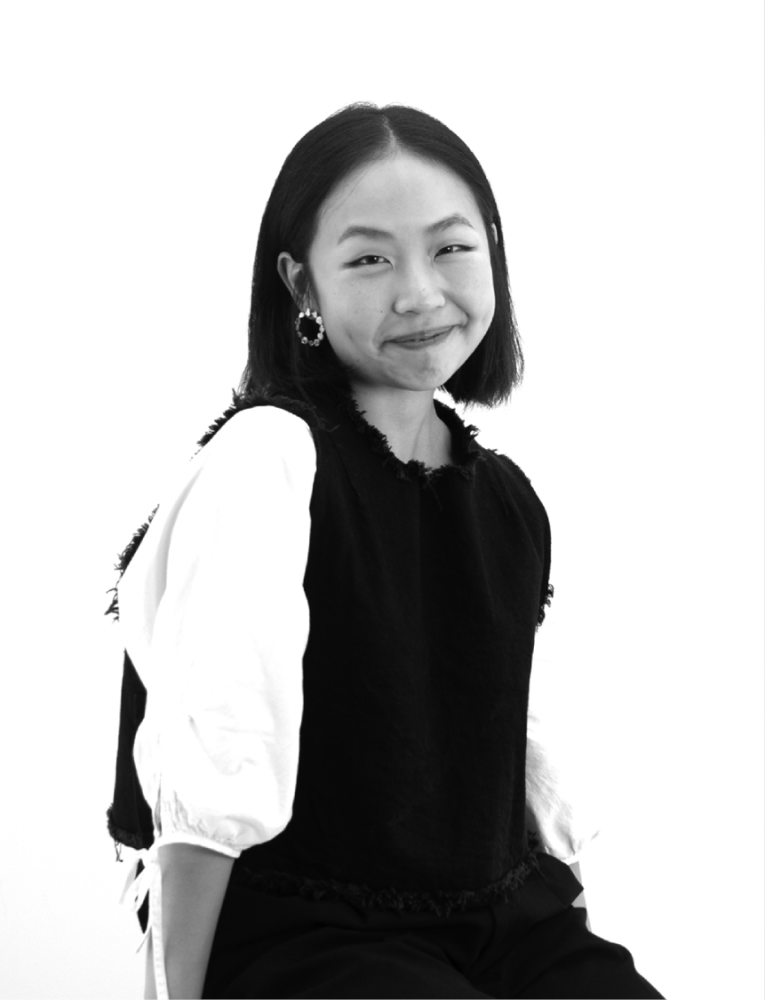
“I've been amazed by the remarkable ways in which materials can be repurposed and transformed. A powerful and adventurous approach to using natural resources highlights the wonder of biomaterials and the exciting possibilities they hold.”
Liv obtained her BA in Fine Arts from the Hong Kong Baptist University in 2016, and later pursued a Master's Degree in Biodesign at Central Saint Martins, University of the Arts London, graduating in 2023. Her work has been exhibited in Berlin, Brisbane, Budapest, Hong Kong, London, Shenzhen, and Sydney.
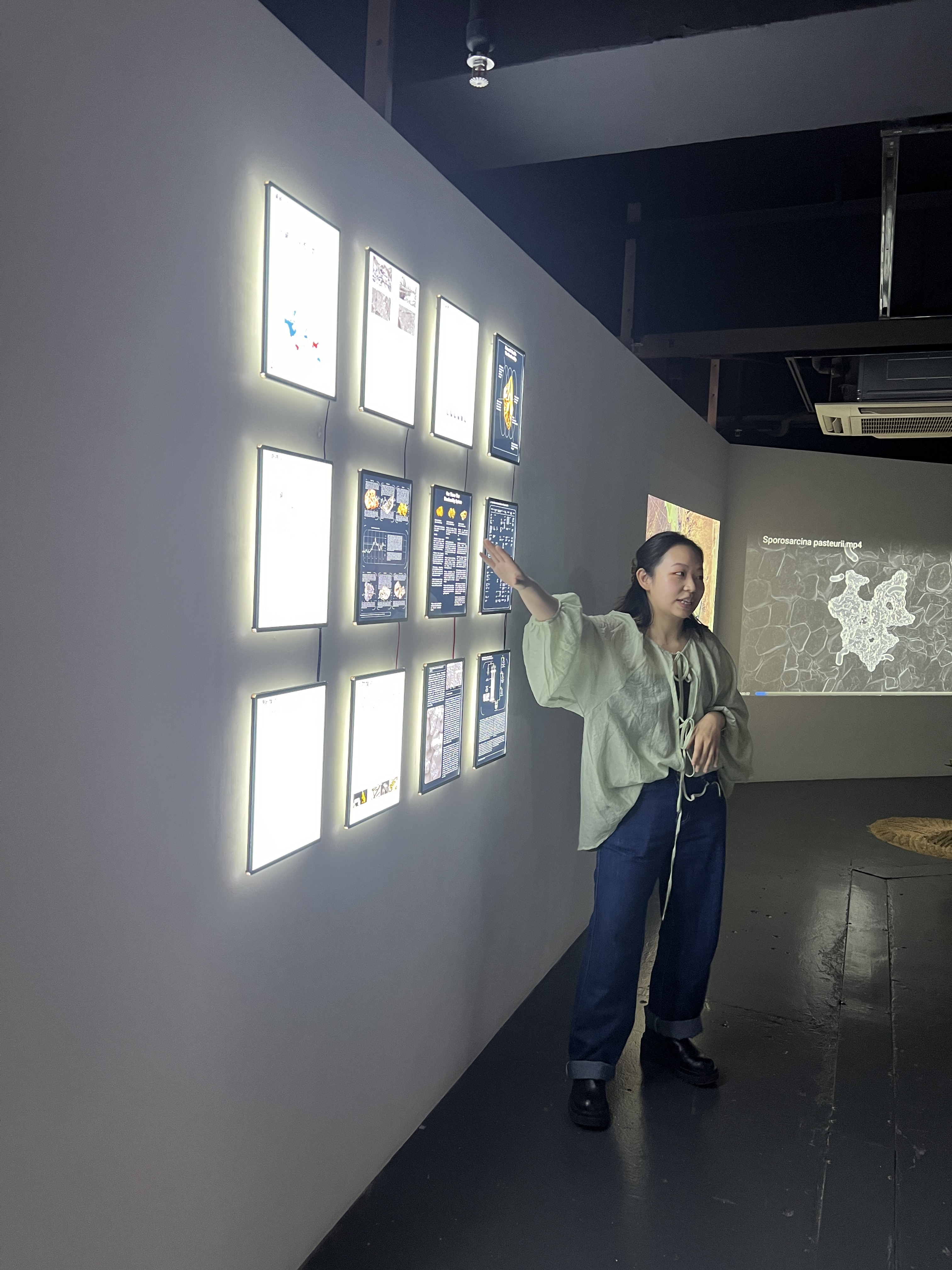
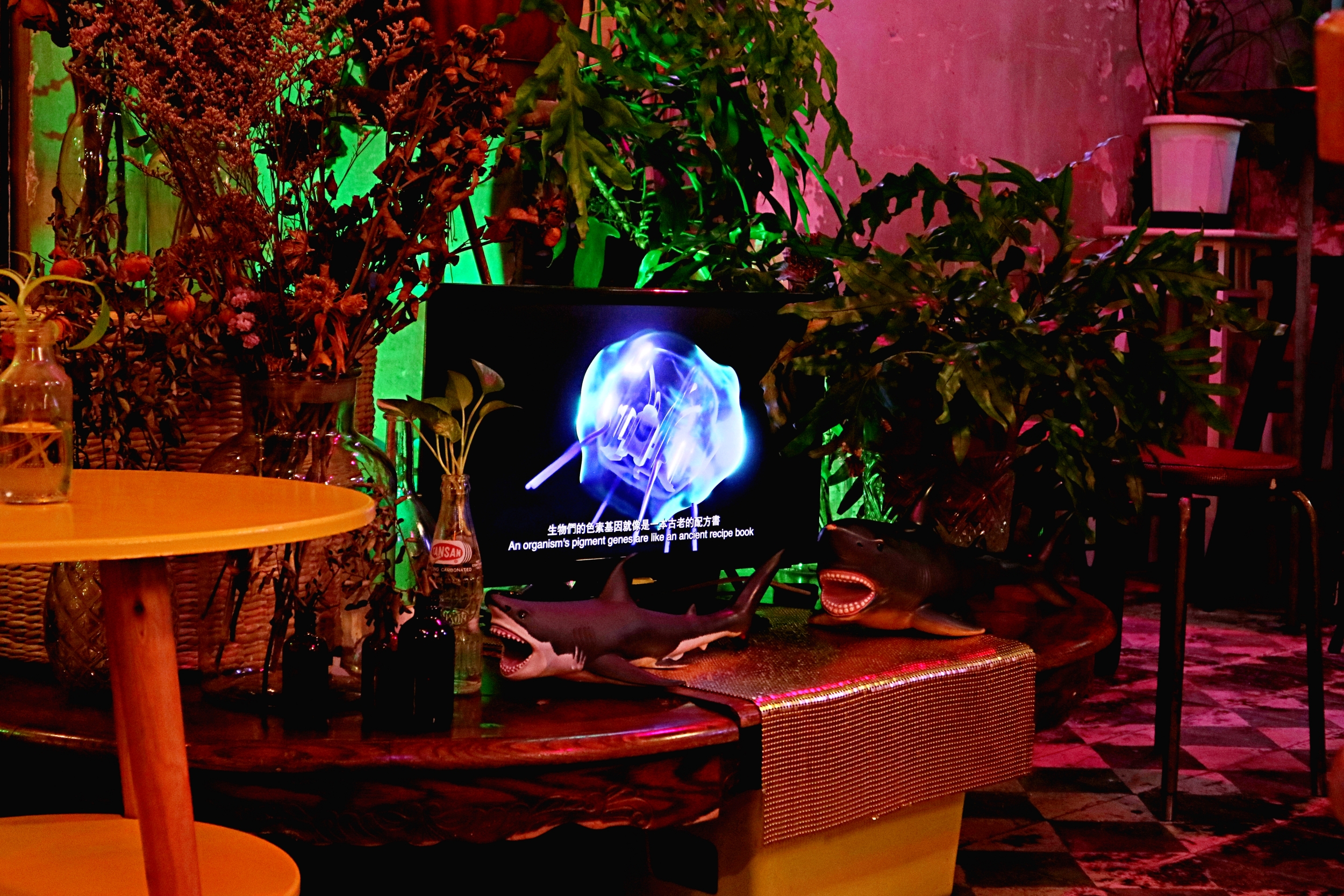
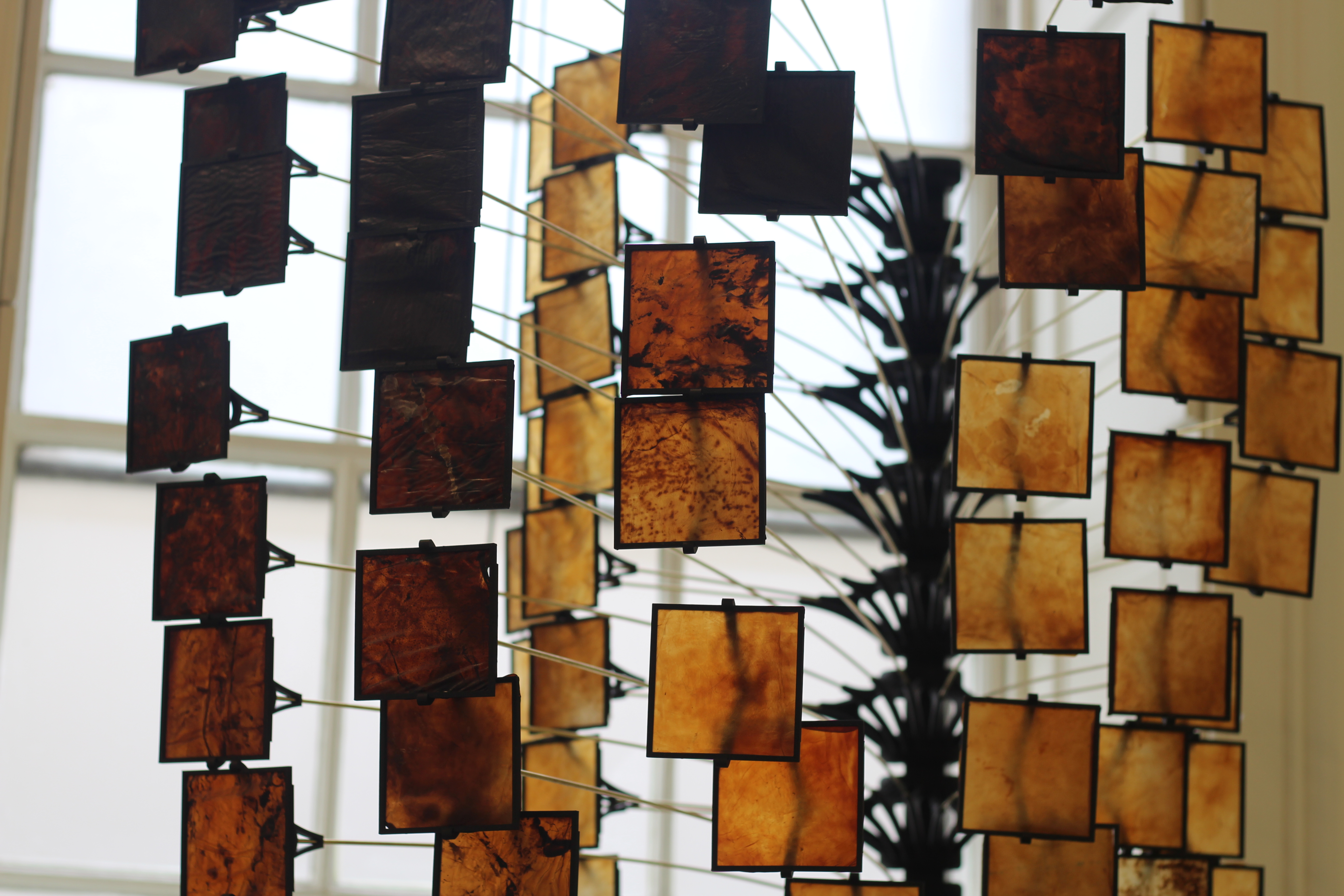
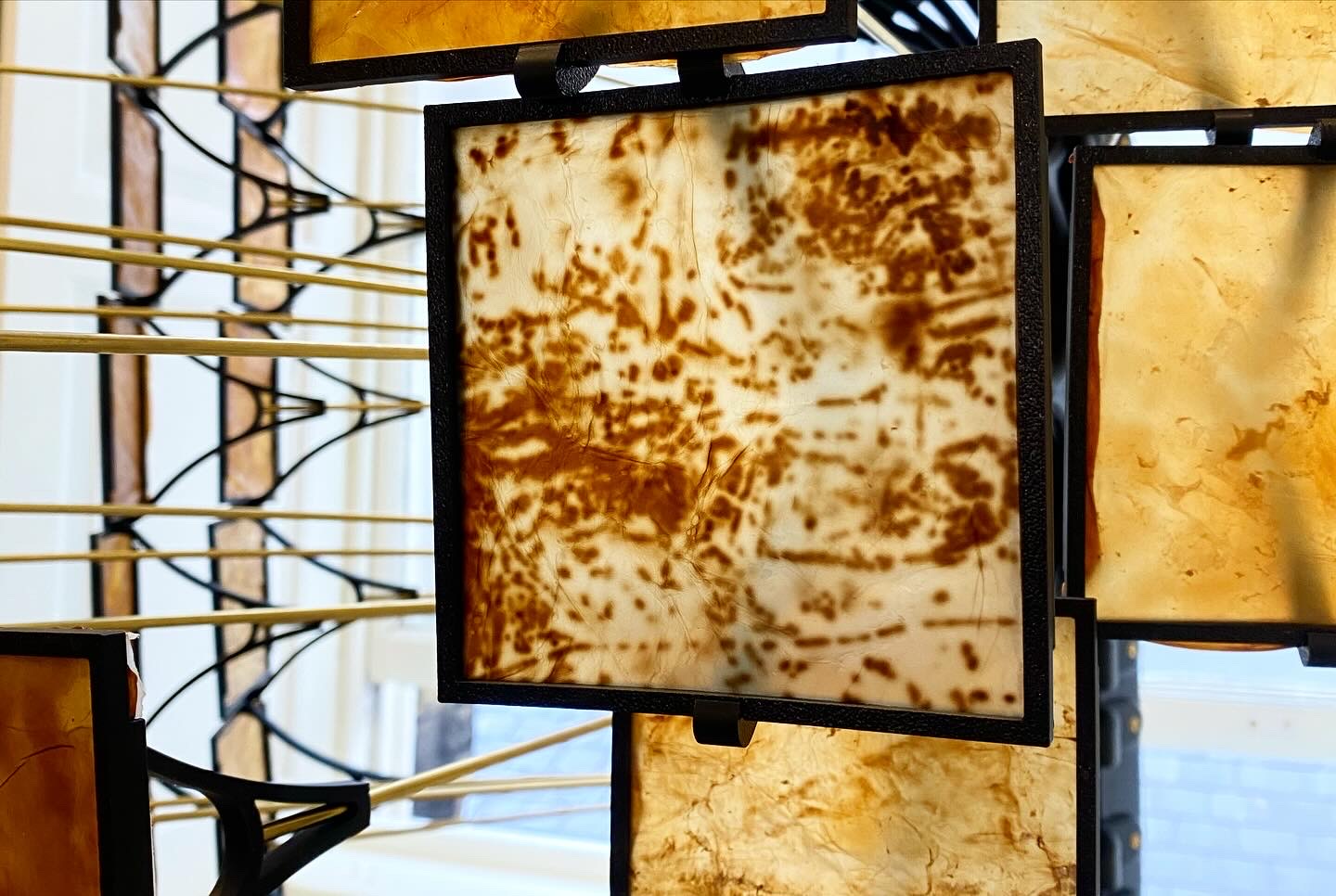
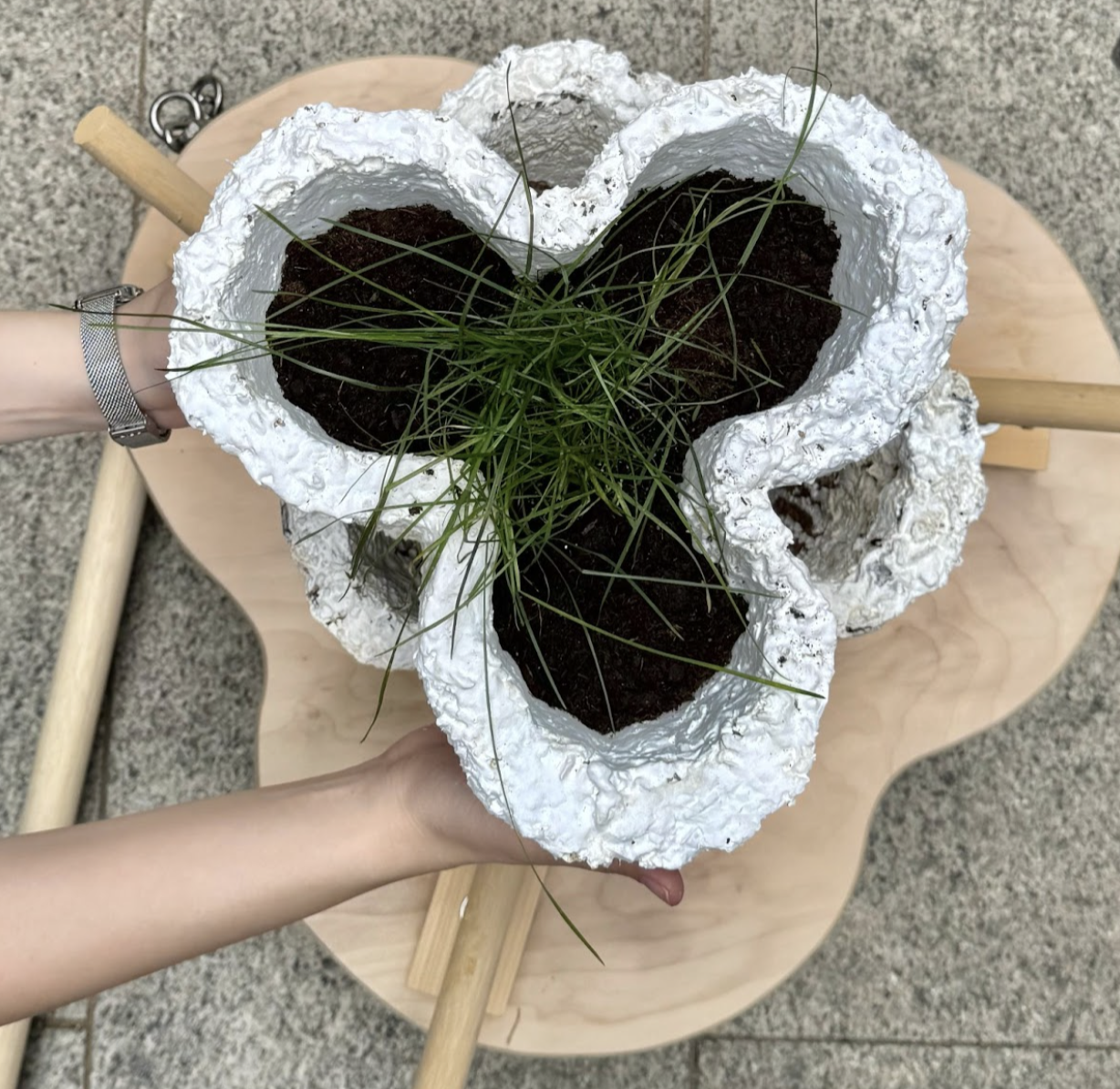
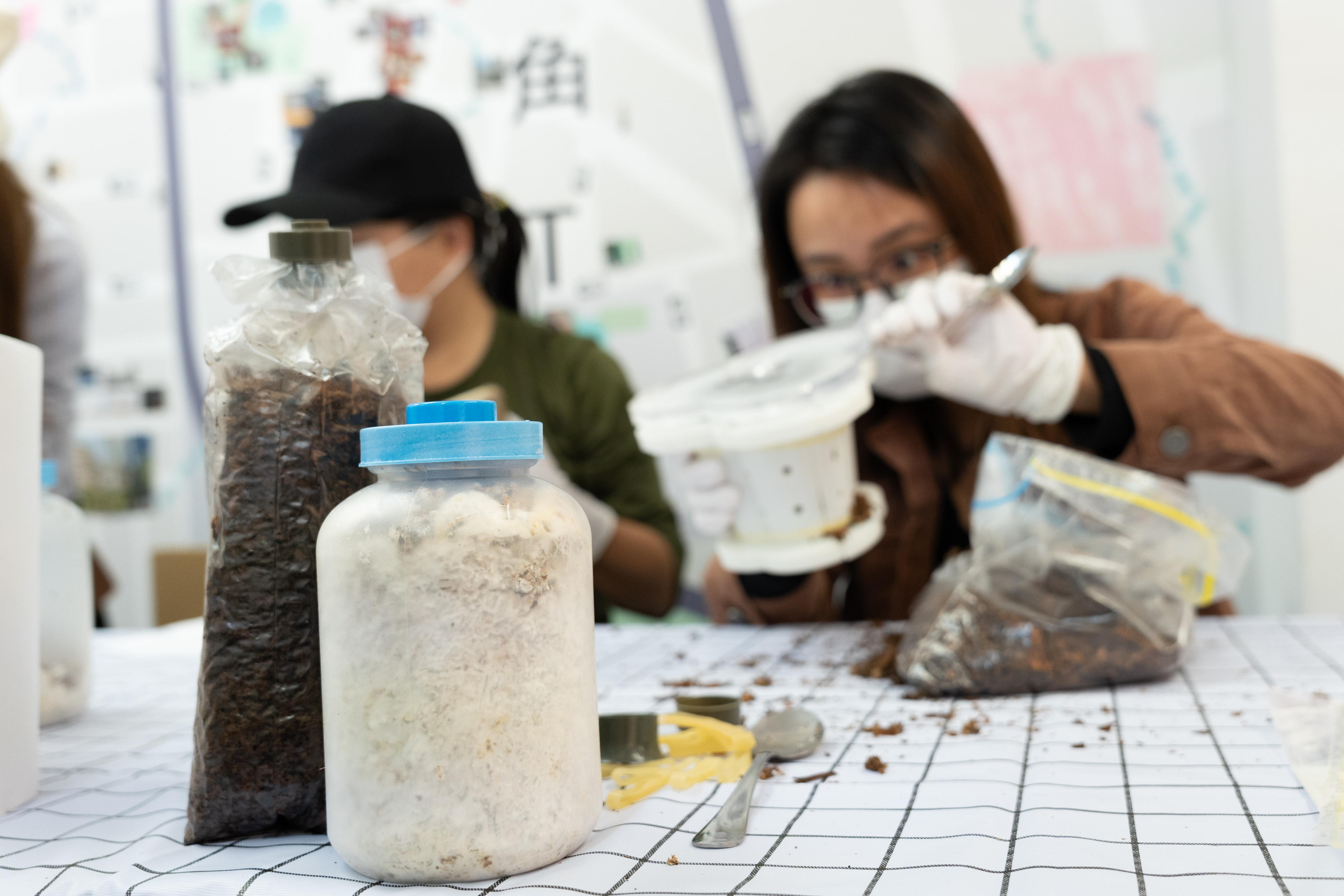
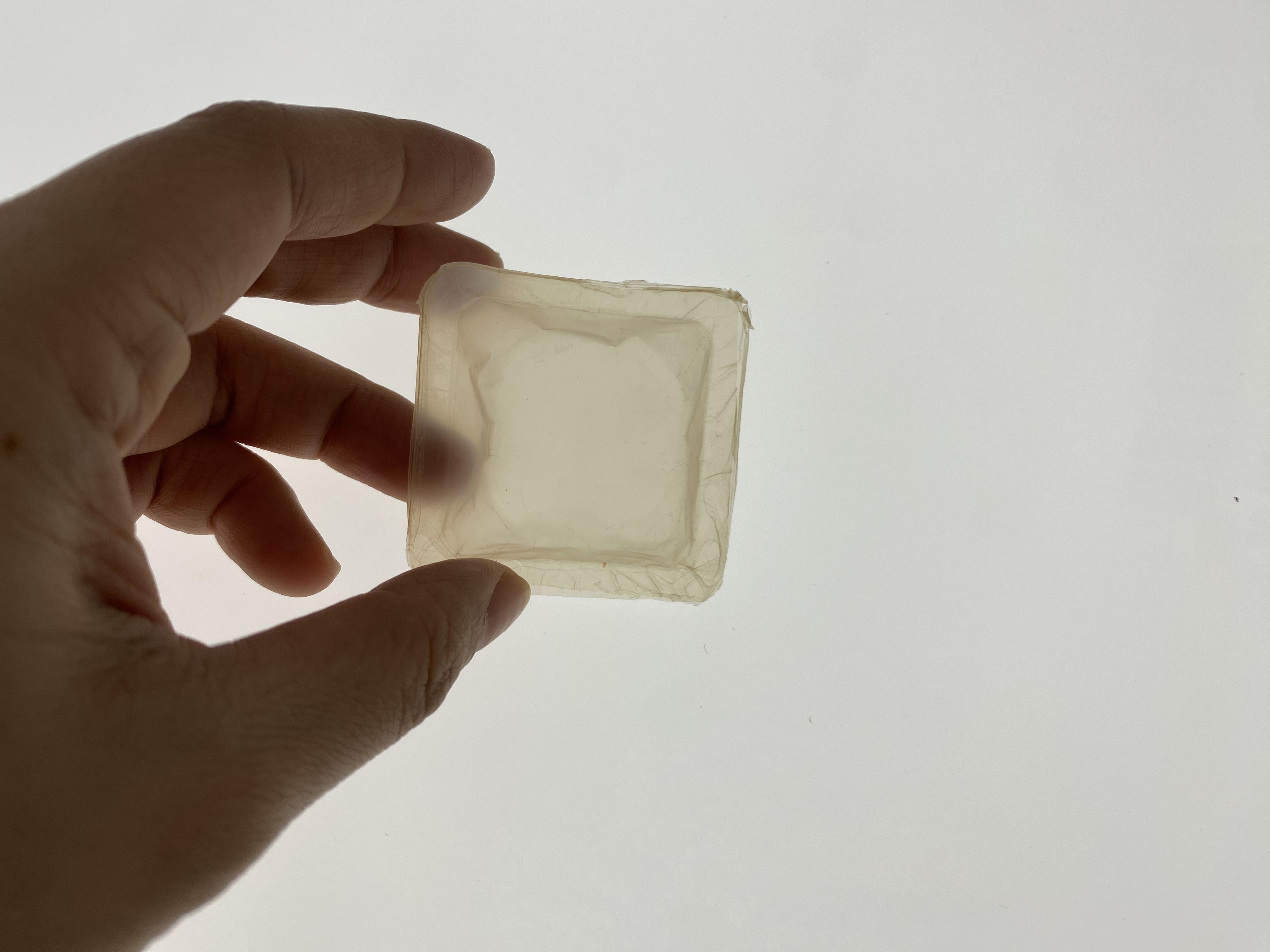
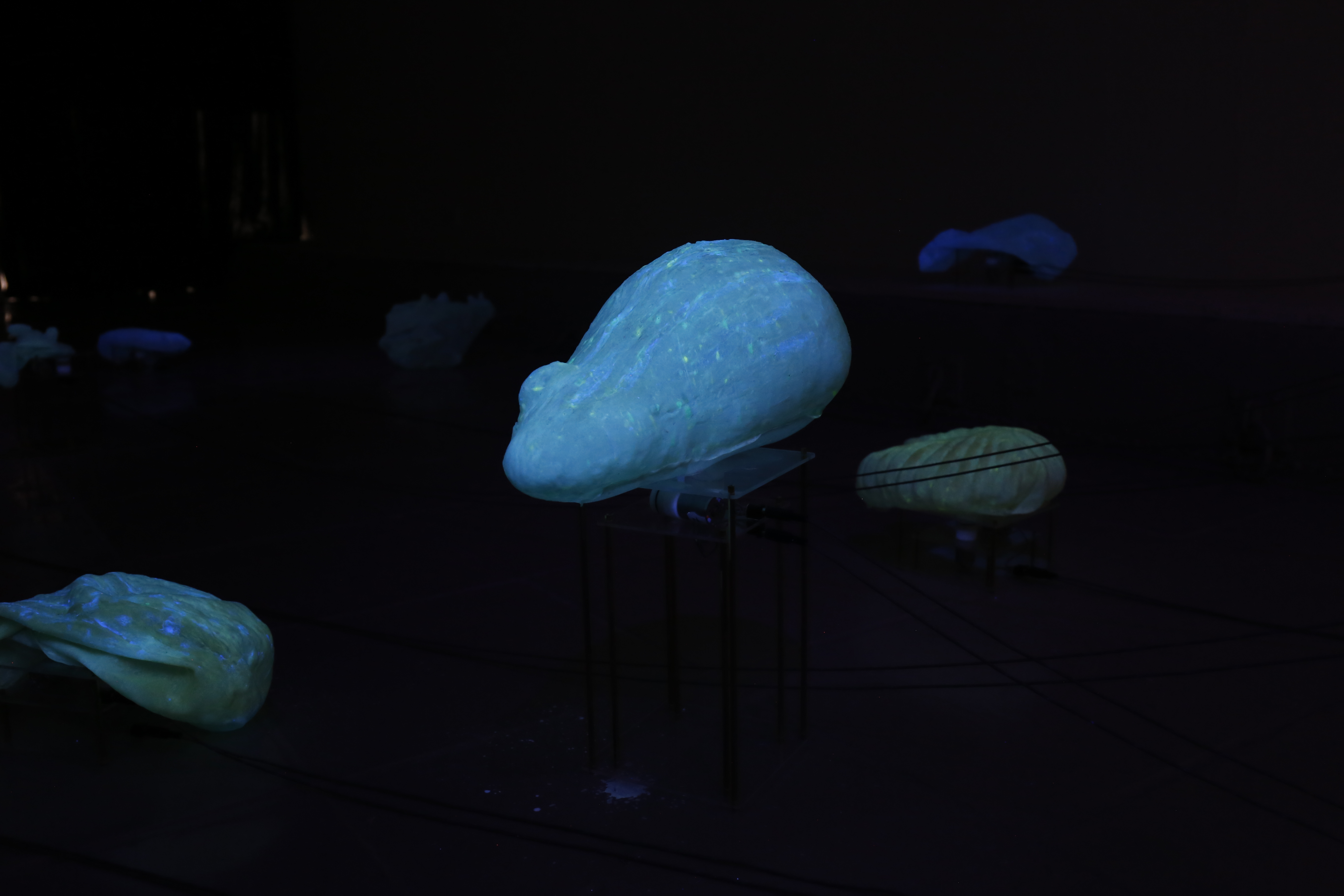
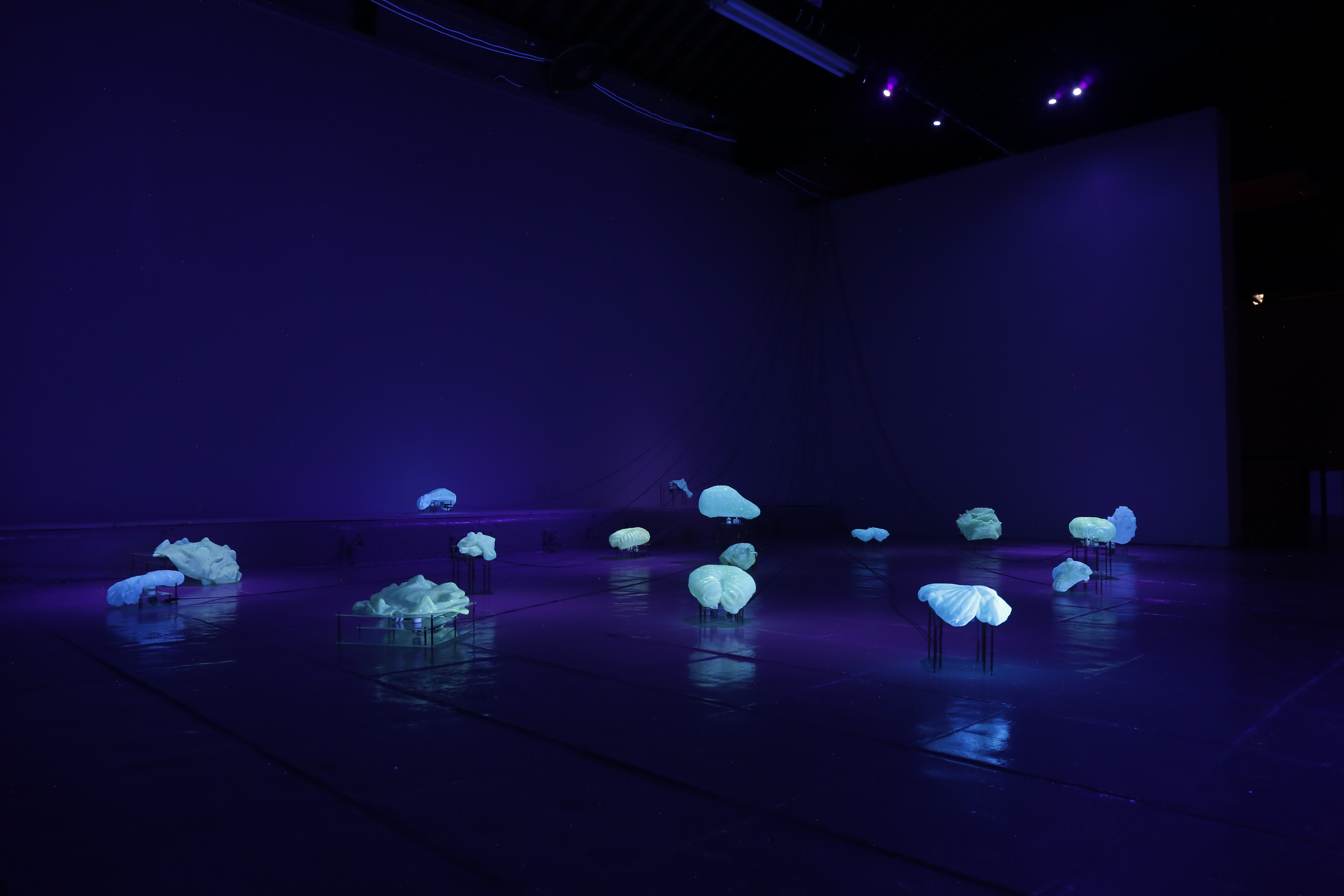
Driven by her concern for the relationship between humans and nature, Liv transforms biological elements into playful and thought-provoking forms through an unconventional scientific lens, delving into the realms of biotic materials, bioethics, collectiveness, and environmental justice, and investigating how humans can intervene in the face of climate change, and within the intricate web of ecosystems. Through speculative design, biomaterial-based installations, videos, and live performances, Liv translates her questions into engaging yet critical creations, inviting audiences to share in them.
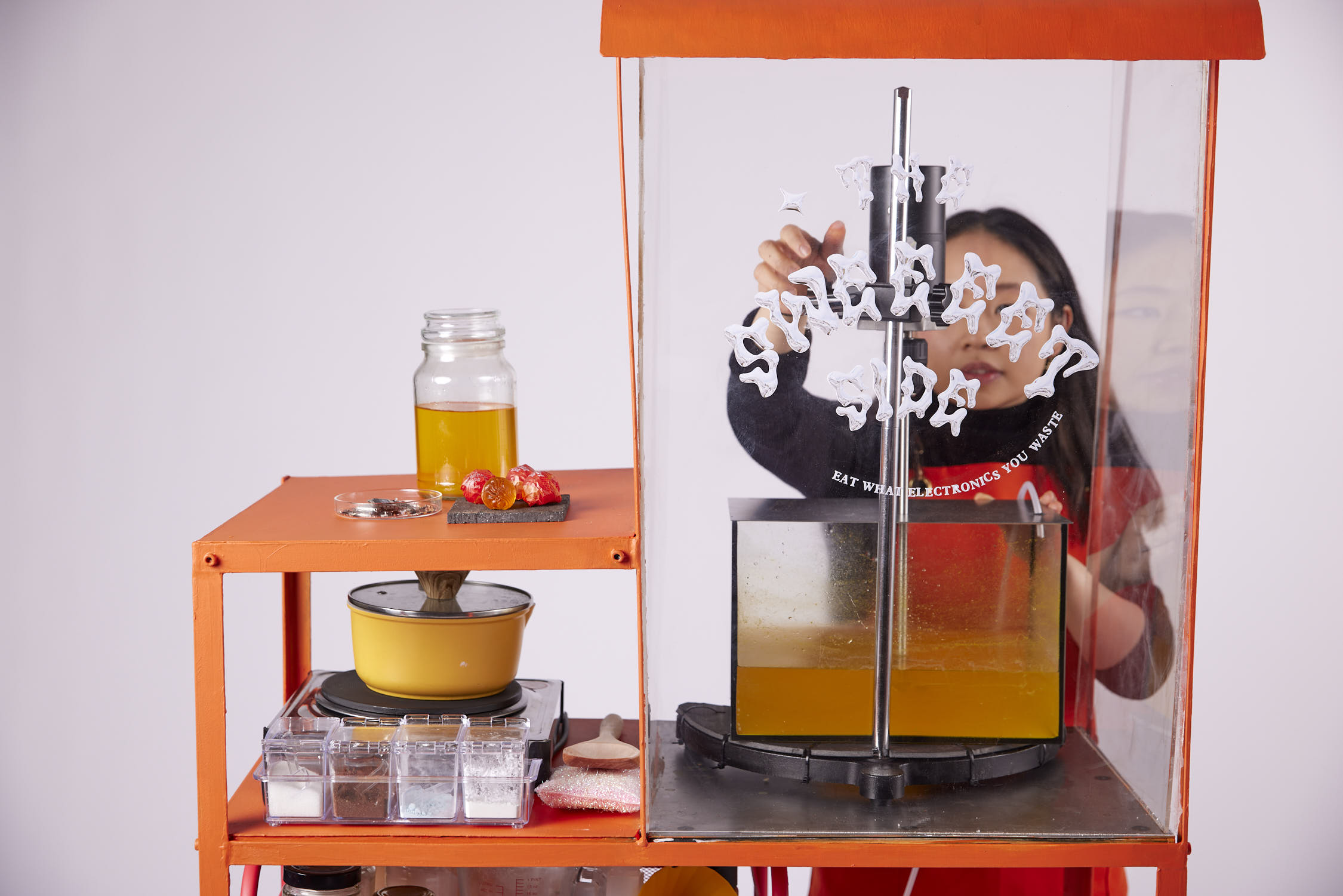
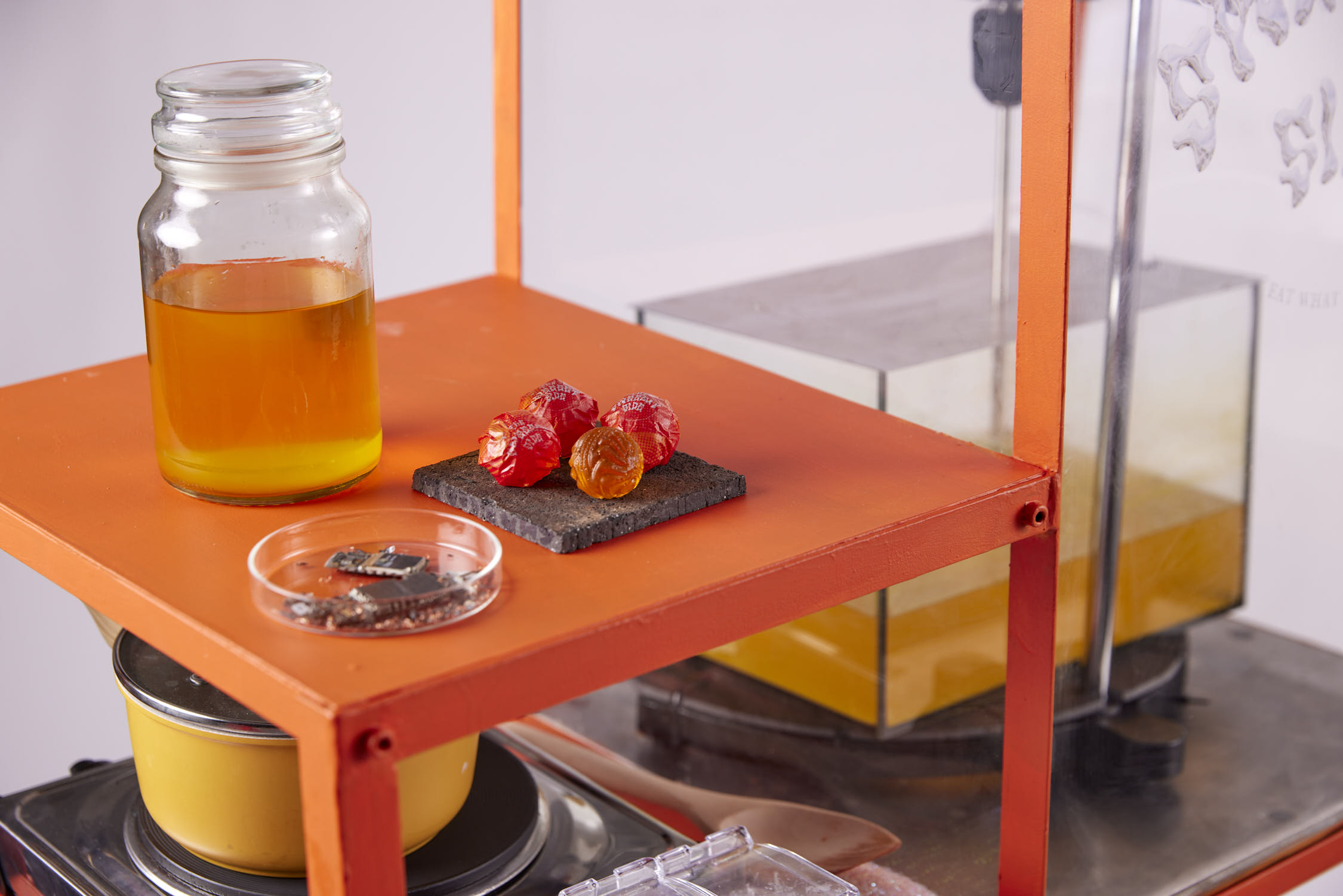
One of Liv's projects, "The Sweeeet Side," revolves around speculative design: it features a candy cart operated by humans and bacteria, where e-waste derived from electronic devices is transformed into candies. Through a bioleaching and cooking process, bacteria convert the e-waste into pure copper, which becomes an ingredient for the candy. Encouraging consumers to recycle their e-waste as a new form of currency for the sweet treats, this project aims to raise awareness of the potential interconnection between the industrial system's material flow and our future food chain, fostering a sustainable and interconnected ecosystem.
Liv is the founder of design studio Morphomatter Limited, working closely with the Hub for Biotechnology in the Built Environment and Society Art Technology Asia (SATA). In recent years, Shehas focused on microbial pigments and pattern formation, investigating how colour and texture can serve as a communicative language between humans and other living organisms. She believes that interdisciplinary collaboration can expand the boundaries of knowledge, unite speculative visions, and foster the construction of a more inclusive future.